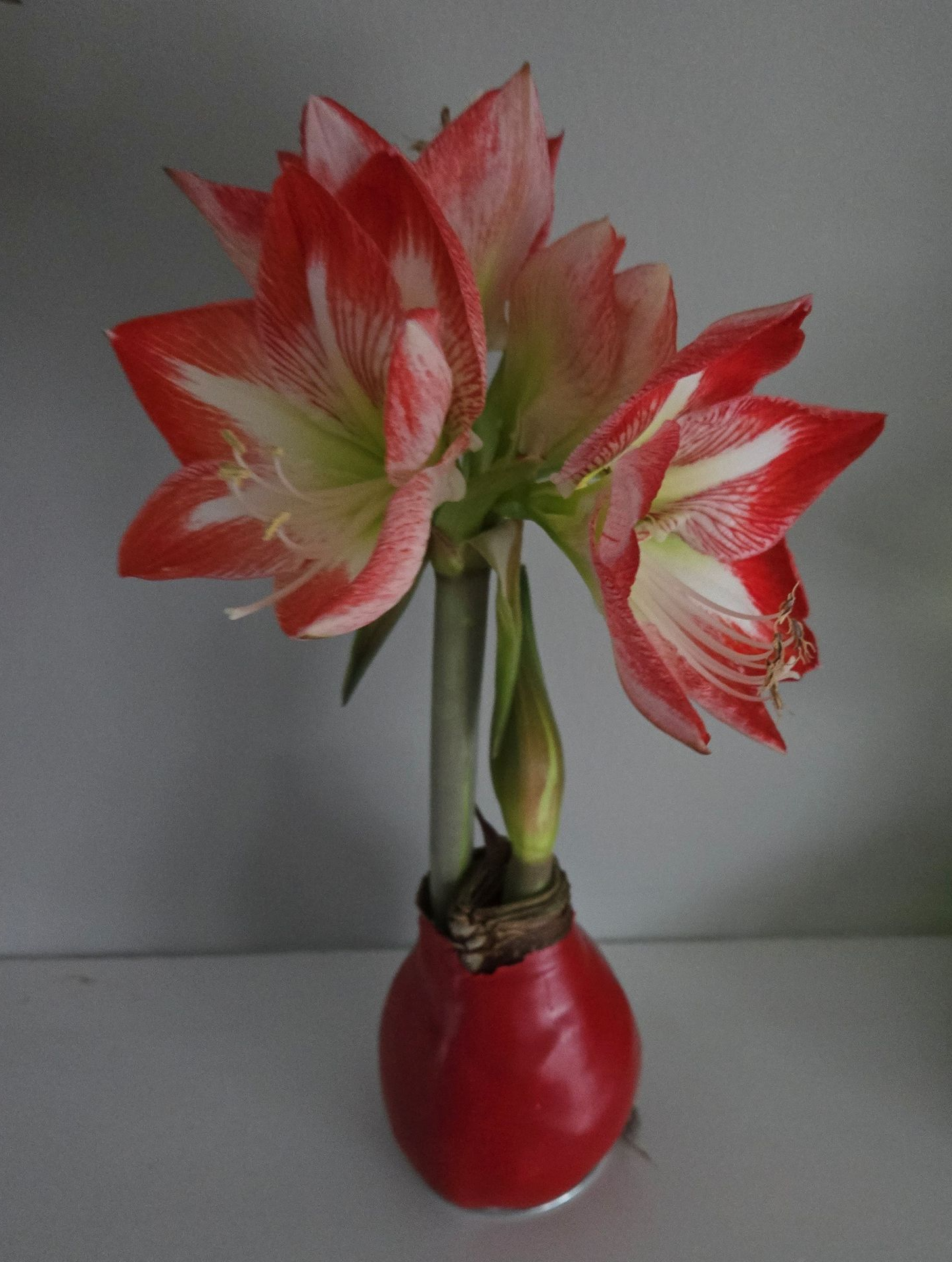
Grief and joy are not opposites;
they often travel together.
Holding Joy and Grief Together: Navigating Spring Celebrations After Loss
Spring and early summer invite us into moments of celebration such as graduations, weddings, Mother’s Day, Father’s Day, Memorial Day gatherings. These milestones are meant to be filled with joy, connection, and reflection. But for those who have experienced the death of a loved one, this season can also bring a quiet (and sometimes overwhelming) ache. It is a time when absence becomes more visible, emotions feel more layered, and the contrast between what was and what is can feel especially sharp.
If you or someone you love is moving through grief this season, you are not alone. What you are feeling is both natural and deeply human. Very often, it begins with the simple, unmistakable awareness that someone is missing. An empty chair at a graduation. The absence of a familiar voice during a family gathering. A moment that would have once included them, now unfolding without them. These absences can feel especially pronounced during celebrations, when the expectation is that everyone should be together.
Alongside that awareness comes a complicated emotional landscape. Many people are surprised by how disorienting it feels to hold joy and grief at the same time. You may find yourself laughing one moment and tearing up the next. Feeling proud of a graduate, while also deeply aware of who is not there to witness it. This coexistence of emotions can feel confusing, but it is not something to fix, it is something to allow. Grief and joy are not opposites; they often travel together.
For some, there is also a quiet sense of guilt that surfaces. Celebrating can feel like moving forward in a way that leaves the person behind. Thoughts like “They should be here for this” or “It feels wrong to enjoy this day” are more common than many people realize. And yet, continuing to gather, to mark milestones, and even to feel moments of happiness is not a betrayal of love. In fact, many find comfort in reflecting on what their loved one would want for them and the answer is often permission to keep living fully.
Interestingly, the anticipation of these events can sometimes feel harder than the events themselves. The “what ifs” can build in the days or weeks leading up, What if I get overwhelmed? What if I can’t hold it together? Having a flexible plan can make a meaningful difference. Giving yourself permission to arrive when you’re ready, step away when needed, or leave early can help restore a sense of control in what might otherwise feel unpredictable. Once at the event, another challenge can emerge: the disconnect between your internal experience and what others see. Well-meaning friends and family may focus only on the celebration, offering congratulations or joyful comments, without realizing that grief is also present. In those moments, it can help to gently hold both truths, sometimes even naming them. A simple response like, “I am proud and missing them today too,” can feel grounding and honest. Over time, many families also begin to notice how traditions themselves feel different. A holiday gathering, a cookout, or a special meal may no longer feel the same without the person who helped shape it. Some traditions may feel too painful to continue as they were, while others may feel deeply important to hold onto. There is no single right way forward. Some people find comfort in keeping part of a tradition while gently changing another part, or by adding a small act of remembrance within the day. For children and teens, these moments can be especially tender. Milestones like graduations or holidays can highlight the absence in new ways, and young people may not always have the words to express what they are feeling. Preparing them ahead of time by letting them know that a day can feel both happy and sad can help normalize their experience. Offering simple language and gentle invitations to remember can also give them a sense of inclusion without pressure.
After the celebration ends, many people are surprised by what follows. Once the energy of the day fades, there can be a sense of emotional letdown, fatigue, sadness, or a delayed wave of grief. This, too, is a natural response. Building in time to rest, reflect, or connect with someone who understands can make this part of the experience a little more manageable. Through all of this, one gentle reminder remains: there is no perfect way to navigate these moments. You are allowed to step outside, to take a break, to feel whatever arises. You are allowed to laugh, and you are allowed to grieve, sometimes in the very same breath.
Join Us: Sharing Hope This Spring
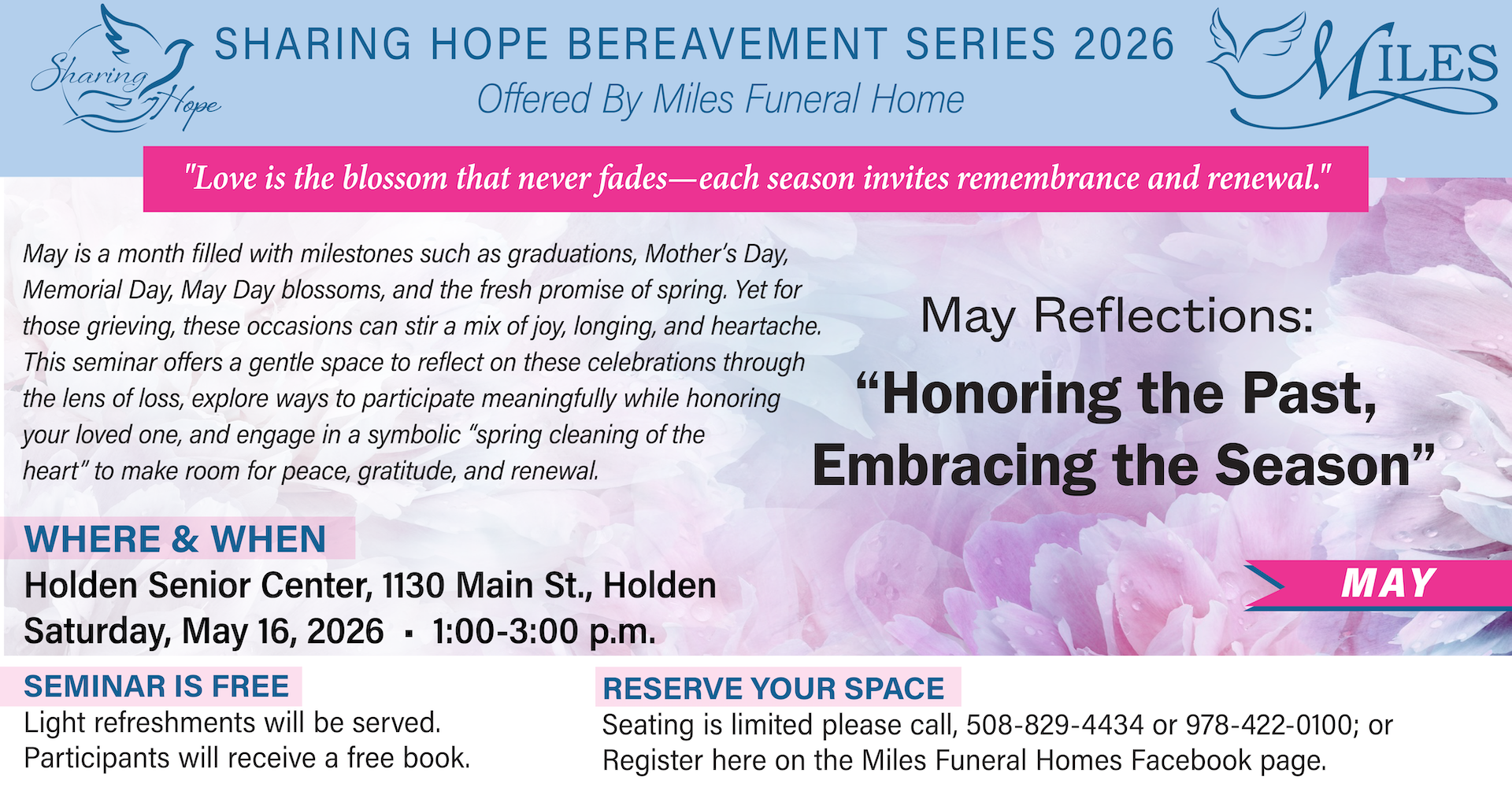
If this season feels especially heavy, we invite you to join us for our upcoming Sharing Hope Bereavement Seminar on Saturday, May 16th. This program offers a compassionate space to explore the realities of grief, connect with others who understand, and gain practical tools for navigating moments like these.
Grief changes how we experience the world, but it does not take away our capacity to connect, to remember, and even, in time, to find meaning in these shared moments again. This season, may you find gentle ways to carry both your love and your loss forward.
Thoughtful Thursdays